
Denim Mill Water Loops: Bioreactor Treatment, Indigo Recovery and RO Reuse
Denim mills close their water loops with a biological-plus-membrane architecture whose published benchmarks come from two sites of one group: a Shunde, China mill

Denim mills close their water loops with a biological-plus-membrane architecture whose published benchmarks come from two sites of one group: a Shunde, China mill
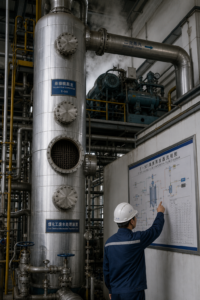
For coal chemical brines where sodium chloride and calcium chloride coexist, scaling control in the falling-film evaporator is not a cleaning-schedule question – it
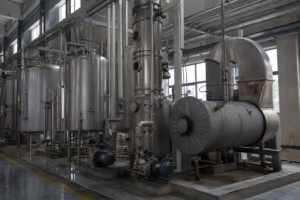
MVR climbing-film low-temperature evaporation for gelatin and ejiao concentration: 70C reference case, full MVR vs double-effect cost comparison, 70% evaporation cost saving.

Continuous MVR evaporation and crystallization upgrades PMIDA (N-phosphonomethyl iminodiacetic acid) production for the IDA glyphosate route: over 80% energy savings, stable crystal quality and
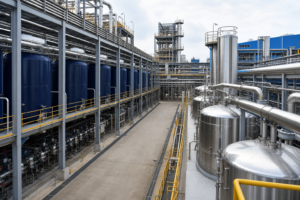
MVR evaporation and crystallization system for rare earth metallurgy RO reject: ammonium sulfate and chloride salt recovery, condensate ammonia polishing and ZLD compliance.
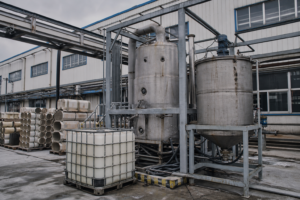
Evaporation–crystallization ZLD for SCR denitration catalyst manufacturing and regeneration wastewater: removing 95%+ of salts, vanadium and tungsten in one phase-change step, returning reusable condensate
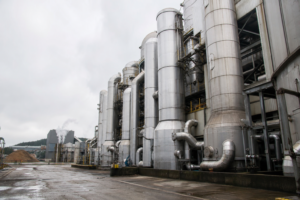
How black liquor evaporation plants lift weak black liquor to firing solids for the recovery boiler, the four engineering challenges that decide performance, and
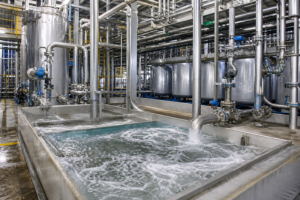
Cathode plants turn their sodium load into value with a sequenced train – heavy-metal recovery, ammonia removal, then MVR evaporation crystallization producing saleable sodium
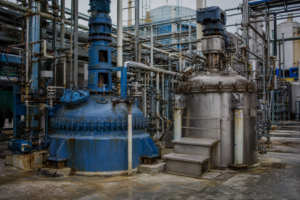
Catalytic decomposition destroys N2O from adipic acid nitric-oxidation off-gas (GWP roughly 270x CO2), while MVR evaporation-crystallization handles acidic mother liquor – crystallization difficulties, treatment

Evaporation and crystallization systems for erythritol, sorbitol, and allulose: MVR falling film concentration to Maillard control, melt versus cooling crystallization routes, and viscosity boundaries.