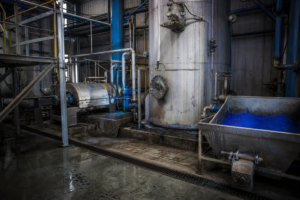
Copper Sulfate (CuSO4) Evaporation & Crystallization Solutions
Evaporation and crystallization plants that turn copper sulfate liquors, etch solutions and smelter waste streams into pentahydrate crystal product, reusable water and recovered copper

Evaporation and crystallization plants that turn copper sulfate liquors, etch solutions and smelter waste streams into pentahydrate crystal product, reusable water and recovered copper
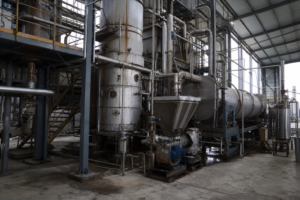
MVR forced-circulation evaporation plus cooling crystallization recovers ammonium chloride from soda-ash coupling and rare-earth wastewater; steam rotary drying cuts cost by $15.57/t with 14.4
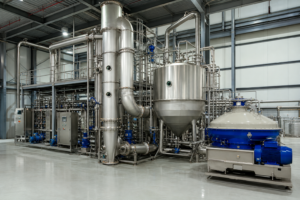
Recover sellable sodium sulfate from chemical, pharma and fermentation wastewater: MVR forced-circulation crystallization at 28500 kg/h, or vacuum/freezing routes for hydrate control and waste
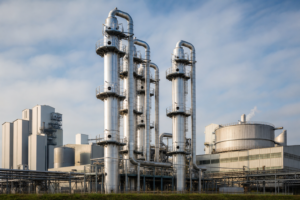
Falling-film MVR evaporation stations concentrate viscous beet juice into high-brix syrup with no live steam after start-up, and handle molasses alcohol wastewater and purified
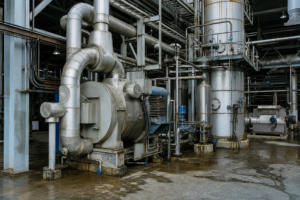
MVR evaporation plus OSLO cooling crystallization for potassium nitrate: handling 10-15C boiling point elevation, chloride-grade materials, 20-40 mesh 99.9% crystals, and NaCl salt-out in
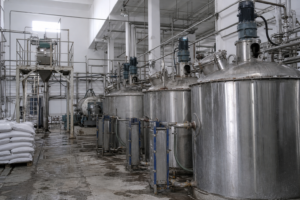
Sodium phosphate crystallization by hydrate: trisodium dodecahydrate cooling routes, the 73C phase boundary, evaporative routes for monosodium, and phosphorus recovery from wastewater.

Integrated BPA wastewater treatment with low-temperature MVR evaporation and crystallization: phenol recovery first, salt recovery second, reusable condensate and compliant solids for epoxy resin
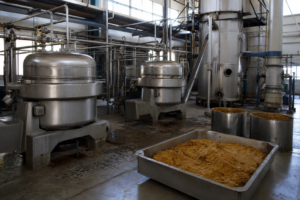
Lecithin concentration and drying solutions from degumming to thin-film vacuum drying – capacities 3-150 t/d, four product grades, food-grade specs and the viscosity challenges
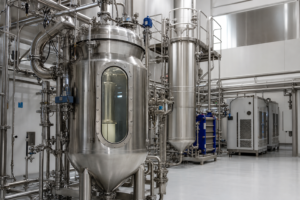
Crystallizing vitamin C (ascorbic acid) from concentrated fermentation-purification liquor is a crystal-size and stability problem: the product oxidizes in the presence of heat, air
Convert by-product hydrochloric acid from soda ash, chlor-alkali and polysilicon plants into saleable calcium chloride: neutralization, forced circulation evaporation, dihydrate flake or anhydrous granule