Boiling Point Elevation in Industrial Evaporation
Boiling point elevation erodes evaporator temperature difference, drives MVR compressor sizing, accumulates across MED effects and caps final concentration. Indicative BPE ranges and technology
Selection logic, retrofit economics and mother-liquor yield — articles from three lines: technology deep-dives on evaporator and crystallizer selection, application solutions for specific wastewaters and process duties, and anonymized project case studies. New articles are published continuously.
Technology ArticlesApplication SolutionsProject Case Studies

Boiling point elevation erodes evaporator temperature difference, drives MVR compressor sizing, accumulates across MED effects and caps final concentration. Indicative BPE ranges and technology

Evaporator capacity is Q = K·A·ΔT. This guide covers raising the coefficient, temperature-difference losses from BPE to non-condensables, falling film vs forced circulation, plate

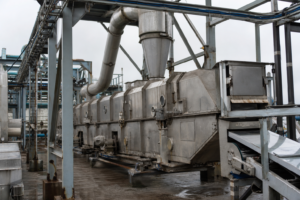
Fluid bed dryers dominate salt and crystal drying — halving drying time — while ANFD closed three-in-one units handle toxic and high-value products. This

Falling film vs rising film evaporator compared: gravity vs vapor-shear film formation, temperature difference needs, residence time, viscosity and fouling limits, MVR fit, and

MVR climbing-film low-temperature evaporation for gelatin and ejiao concentration: 70C reference case, full MVR vs double-effect cost comparison, 70% evaporation cost saving.

Continuous MVR evaporation and crystallization upgrades PMIDA (N-phosphonomethyl iminodiacetic acid) production for the IDA glyphosate route: over 80% energy savings, stable crystal quality and

MVR evaporation and crystallization system for rare earth metallurgy RO reject: ammonium sulfate and chloride salt recovery, condensate ammonia polishing and ZLD compliance.

Evaporation–crystallization ZLD for SCR denitration catalyst manufacturing and regeneration wastewater: removing 95%+ of salts, vanadium and tungsten in one phase-change step, returning reusable condensate

How black liquor evaporation plants lift weak black liquor to firing solids for the recovery boiler, the four engineering challenges that decide performance, and

Cathode plants turn their sodium load into value with a sequenced train – heavy-metal recovery, ammonia removal, then MVR evaporation crystallization producing saleable sodium
Send your feed characterization (TDS, COD, main salts, viscosity), throughput and product targets — we respond with a preliminary process route within two business days.